Clients almost always come to us looking for an answer. A name. A positioning. A tagline. A visual world. A campaign idea. Something that can be written on a slide, approved in a meeting, and moved forward into production. And that desire is completely understandable—brands need decisions, timelines have deadlines, and stakeholders need something to react to.
However, answers that come too quickly almost always tend to solve the wrong problem. This is a recurring pattern we’ve come to recognise: clients come to us with a request, underneath which is a different, yet-to-be-asked, more important question.
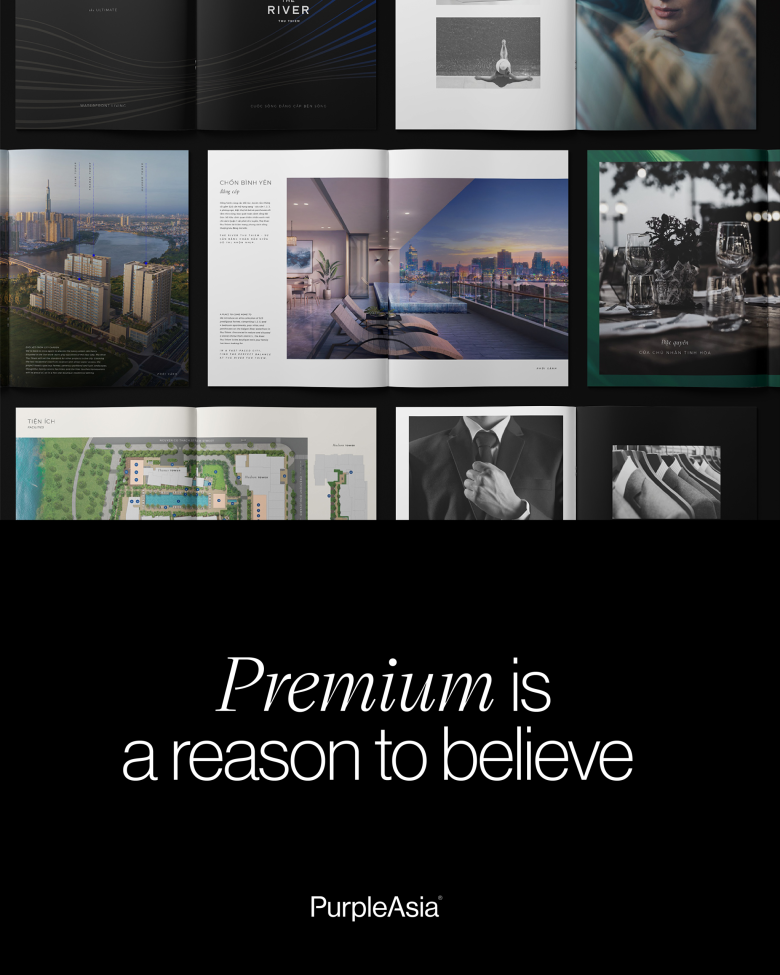
For example, a client asks for ‘premium’, a look, a tone, a set of executions that signal quality and aspiration. But the question they should be asking is: what kind of value will our audience actually believe in? Premium comes down to trust, and you can’t design your way to trust without first understanding what people are willing to believe.
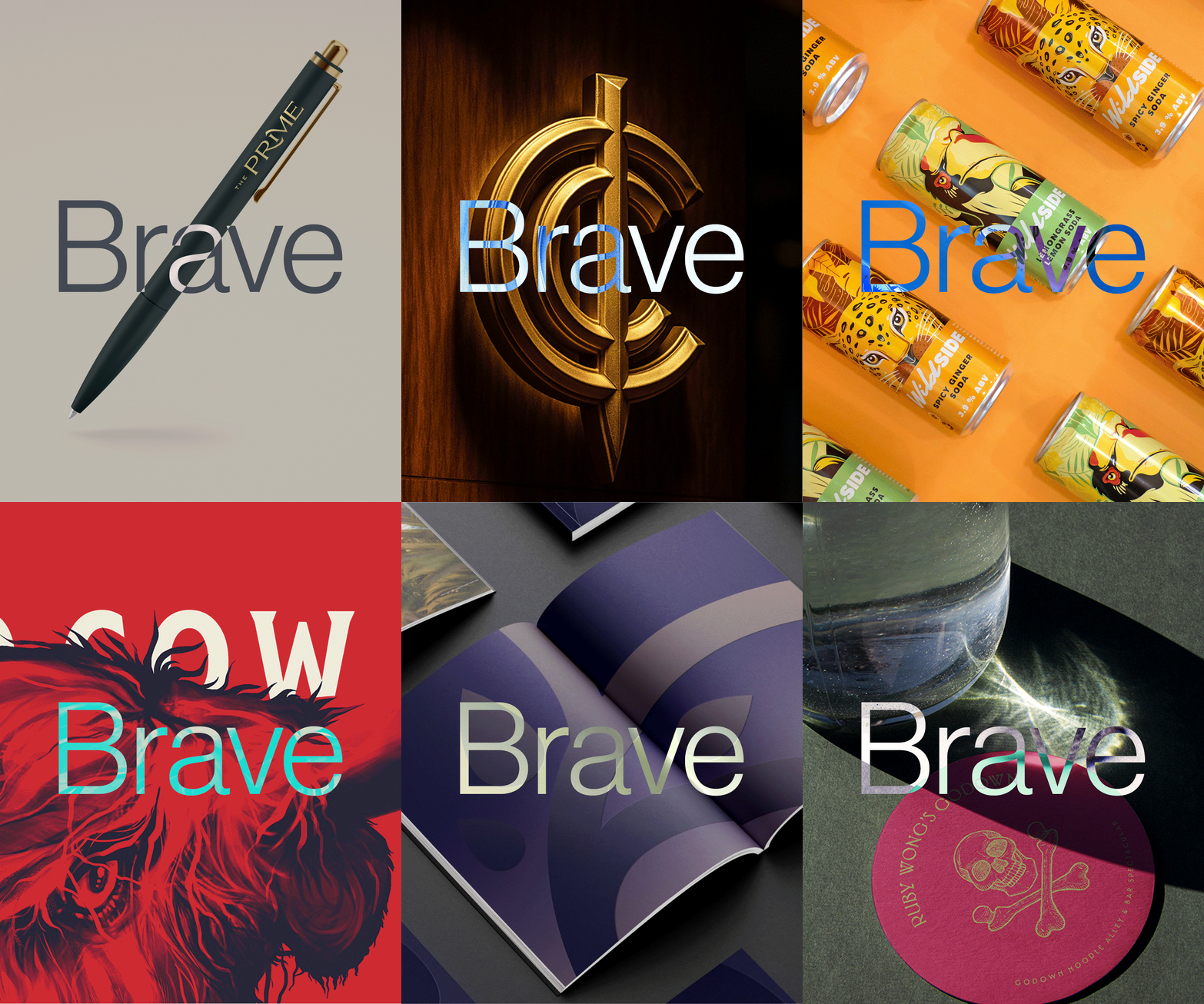
A client asks for differentiation, something that sets them apart from competitors, a point of contrast the market will notice. But what they really should ask is: what are we willing to actually do (not just say) differently? Differentiation that lives only in language is decoration.
A client asks for a story, a narrative that connects the brand to something larger, more human, more meaningful. But the real question should be: what truth does the brand actually own? Stories not grounded in something real rarely travel very far.
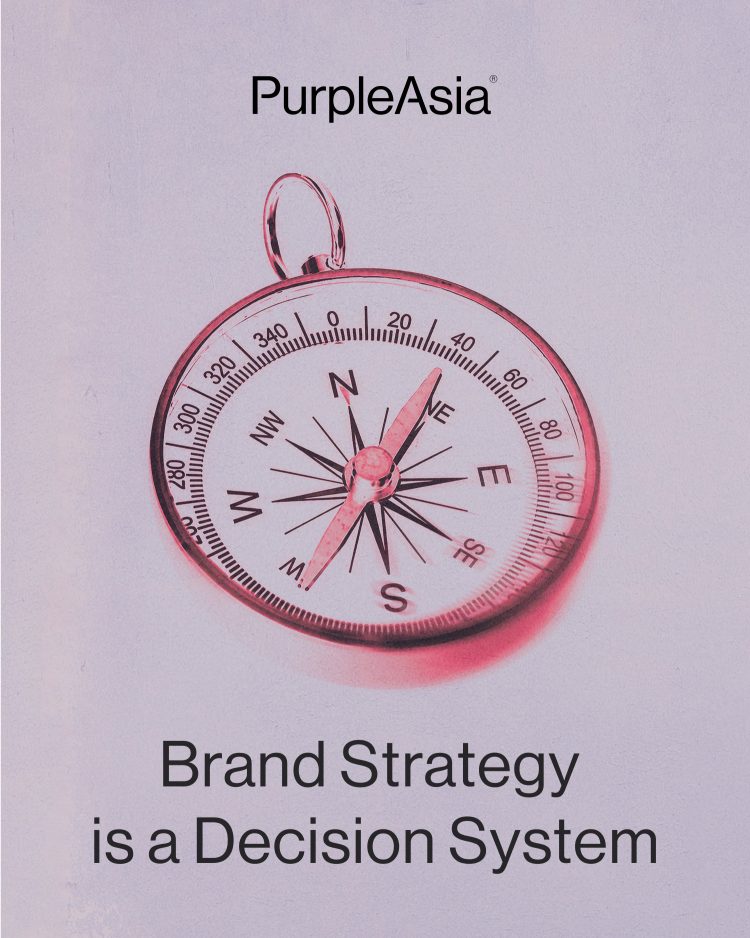
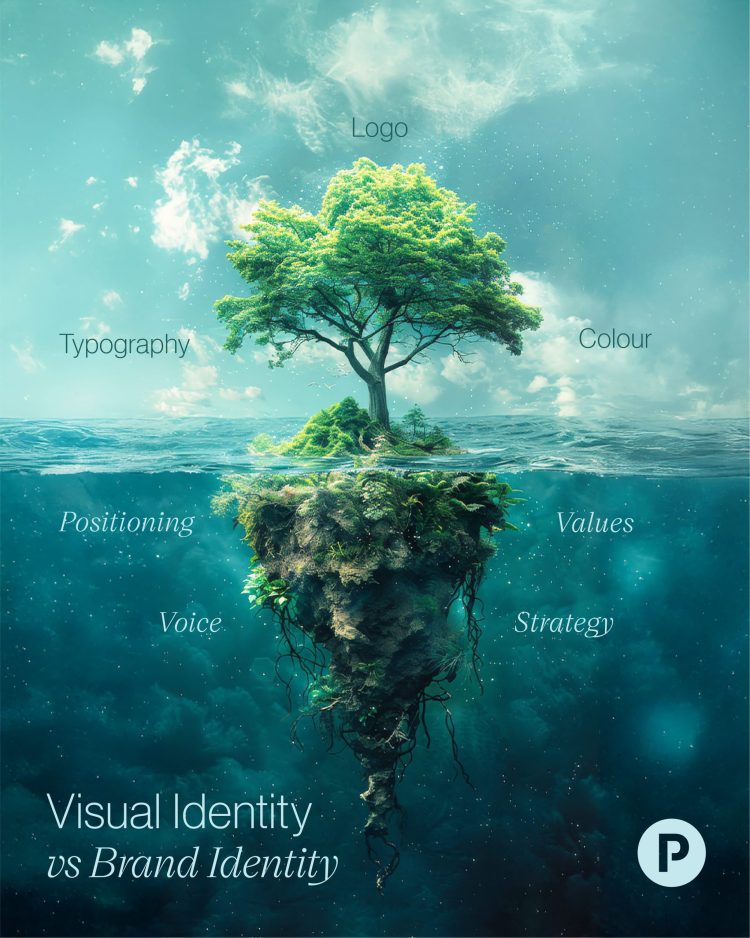
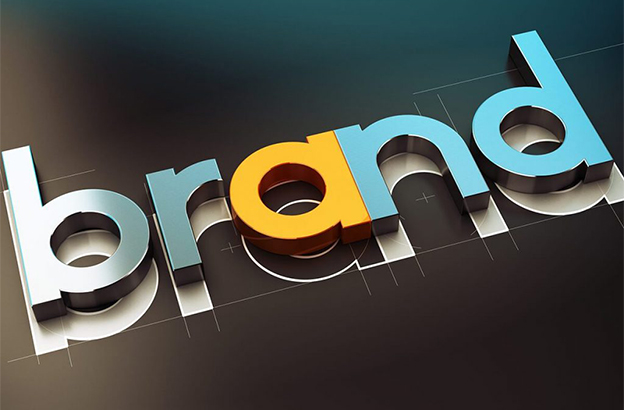
Output is often the request; brand strategy digs down to find the real problem.
There is a particular pressure in the brand strategy process we often watch for. It tends to show up in the first meeting and sounds like, “What is the name?” “What is the big idea?” “What does it look like?” “Can we see some options?”
This pressure is human and, again, entirely understandable; uncertainty, after all, is uncomfortable. Options can feel like progress, and a polished direction makes everyone feel, however briefly, that the hard part is over.
But premature answers come at a cost. A campaign lands flat because the positioning was never clear. A name tests well but confuses the sales team. A brand identity looks beautiful but is impossible to explain. Essentially, six months of work is built on a foundation that everyone later agrees was unstable to begin with.
This is why the first responsibility of brand strategy is to understand whether the brief asks the right question, rather than simply answering the brief as written.
Make no mistake, we’re not suggesting ambiguity for ambiguity’s sake, and we’re not trying to make the brand strategy process heavier or more theoretical than necessary. But clarity has to be earned, and it comes from questioning assumptions, identifying what’s missing, and understanding the gap between what the client thinks they need and what will actually solve the problem.
And sometimes, it comes from knowing when to move forward and when to slow down.
In the face of timelines, expectations, budgets, approvals, and a brief everyone is already emotionally attached to, slowing down takes courage. But the pause is almost certainly cheaper than the mistake.
The smartest clients we work with understand this and share the discipline of holding the question open a little longer than feels comfortable—at least long enough to make sure the answer they’re pursuing is actually the answer they need.
Ultimately, that is what brand strategy is all about. Not the illusion of certainty, not decorative language, not even clever answers (though we’re quite pleased when we land on one).
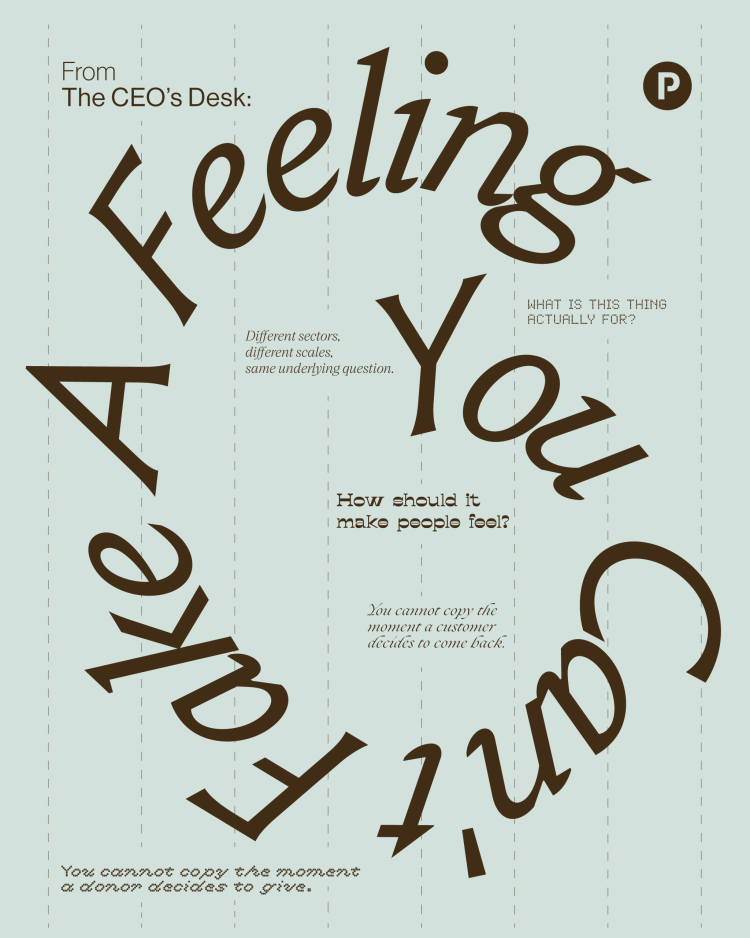
It’s about asking better questions, early enough to matter.