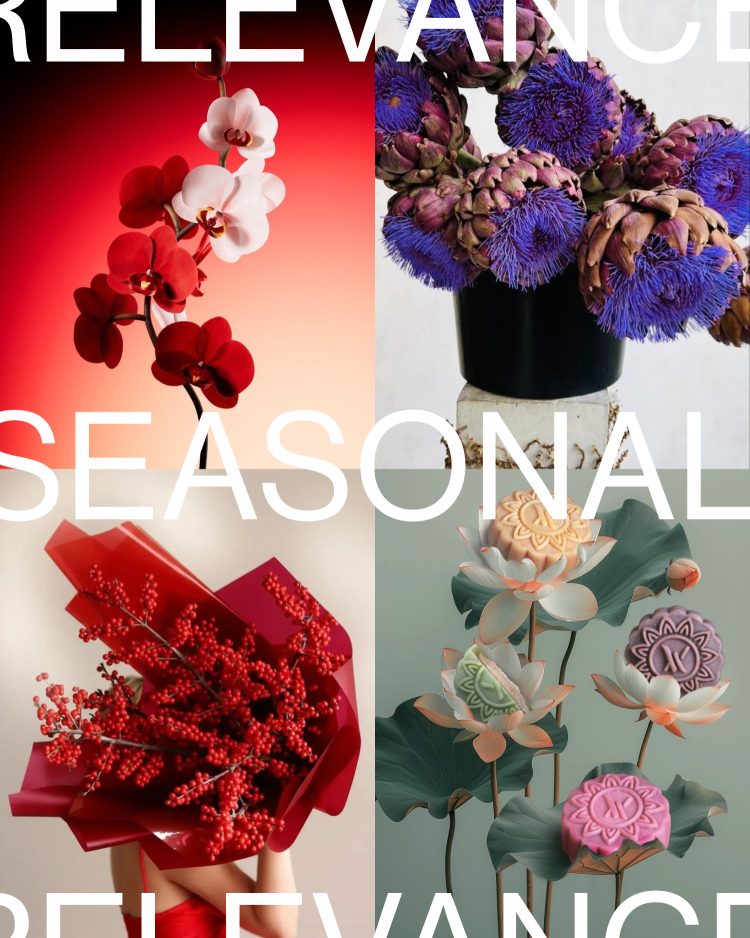
As consumers increasingly expect experiences that align with their real-life contexts, needs, and priorities at specific moments in time, relying on a single communication message throughout the year is becoming less effective. Instead, brands must continuously adapt their messaging, visual identity, products, and customer experiences to resonate with the evolving rhythms, emotions, and purchasing behaviours of the market. This is the essence of Seasonal Marketing, which has become a strategic necessity for brands seeking to remain relevant and competitive. A well-executed seasonal strategy can help businesses:
– Capitalise on periods of heightened demand.
– Connect with customers’ emotions, mindsets, and behaviours at specific moments.
– Refresh brand perception through stories that reflect seasonal or cultural contexts.
– Strengthen customer engagement and maintain top-of-mind awareness throughout the year.
To implement Seasonal Marketing effectively, businesses should develop a year-round marketing calendar that identifies key seasons, events, and moments likely to influence consumer behaviour, e.g.:
– Holiday-led: Lunar New Year, Christmas, Valentine’s Day, Halloween…
– Weather-led: Spring, Summer, Autumn, Winter, Rainy Season…
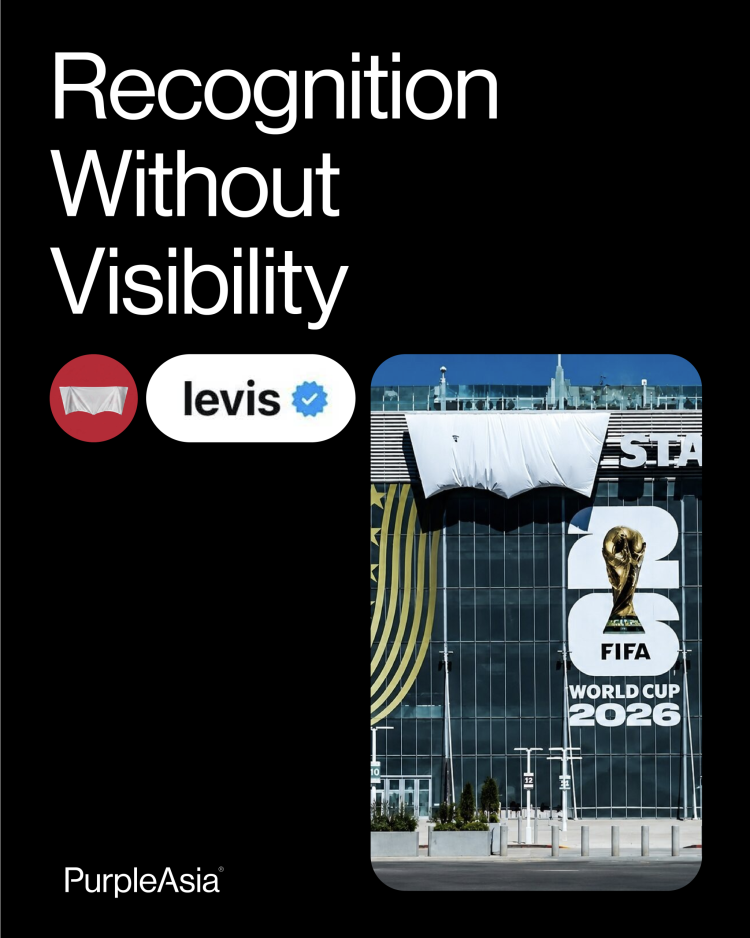
– Culture & Lifestyle-led: Back-to-School, Wedding Season, World-Cup/SEAgames, Festivals, Travel Seasons…
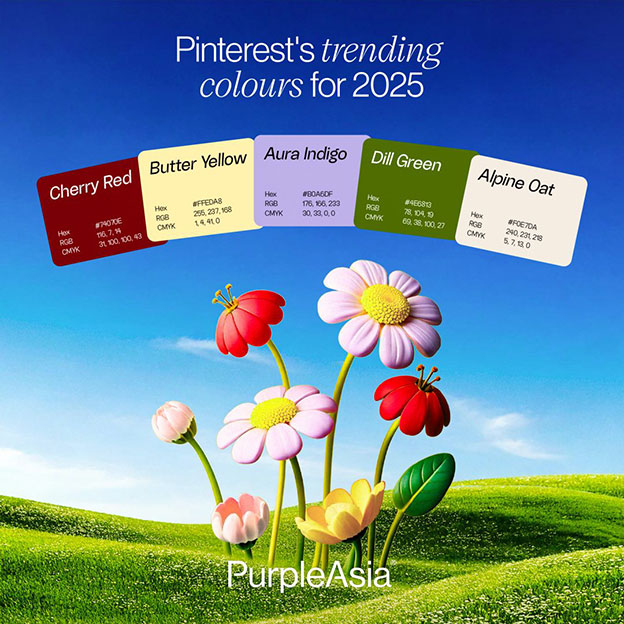
However, it’s important to note, Seasonal Marketing is more than changing visual assets, adjusting colour palettes, or launching seasonal promotions. Its true success lies in understanding the shifts occurring in customers’ lives and translating those changes into relevant messages, experiences, and solutions. When done effectively, a brand becomes a natural part of the customer’s journey, experiences, and emotions.
Want to be in tune with the seasons? We’ve got you covered.