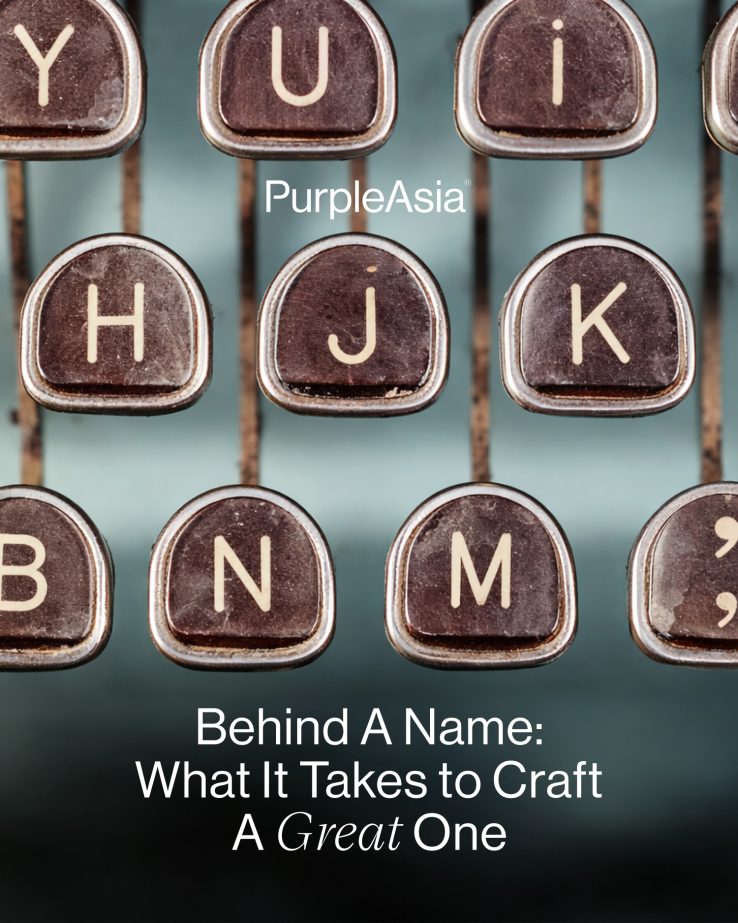
Vietnam’s design community is currently debating a fascinating question: when AI helps create type, where does craft end and automation begin?
A recent experimental tool designed to auto-localise Latin fonts into Vietnamese typefaces has sparked strong reactions. Where some see acceleration, others see erosion. And honestly, both responses make sense.
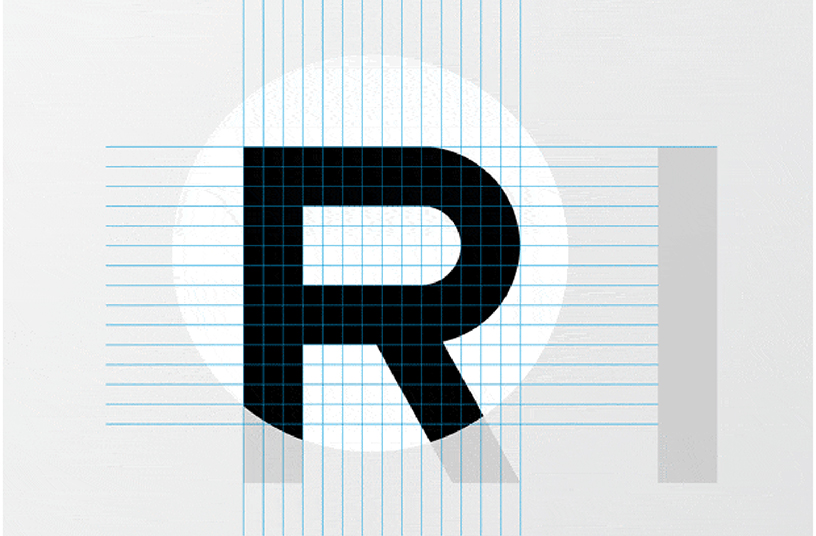
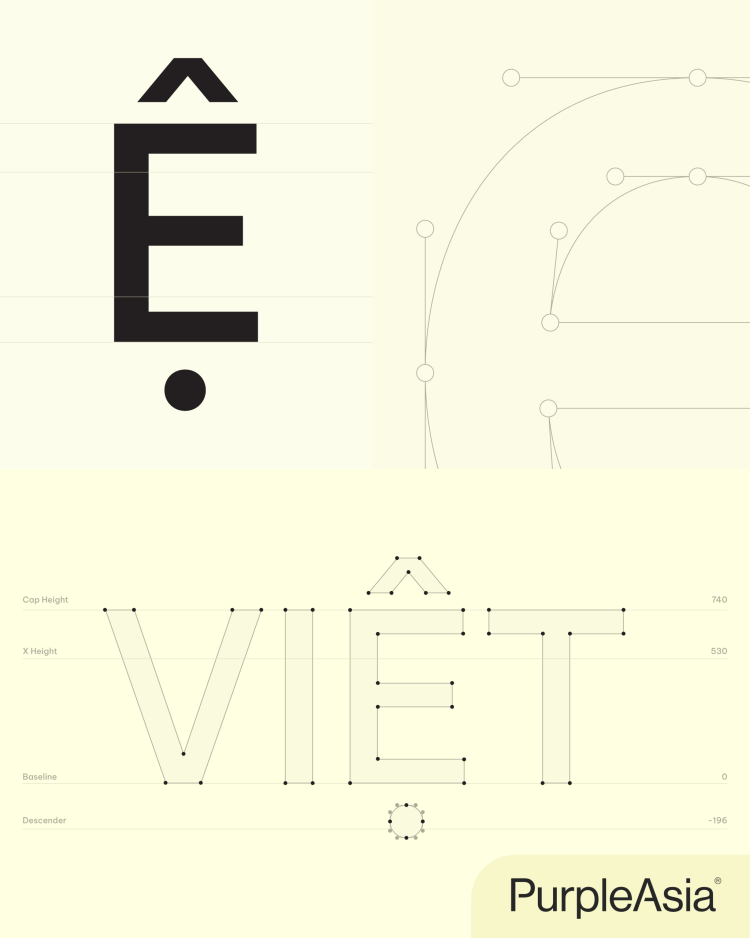
Vietnamese typography isn’t simply a matter of ‘adding accents’. Diacritics carry rhythm, balance, legibility, and cultural nuance. A well-crafted Vietnamese typeface requires optical adjustment, spacing intelligence, linguistic understanding, and years of trained judgement, in short, a human eye to see the friction that an algorithm is likely to ignore.
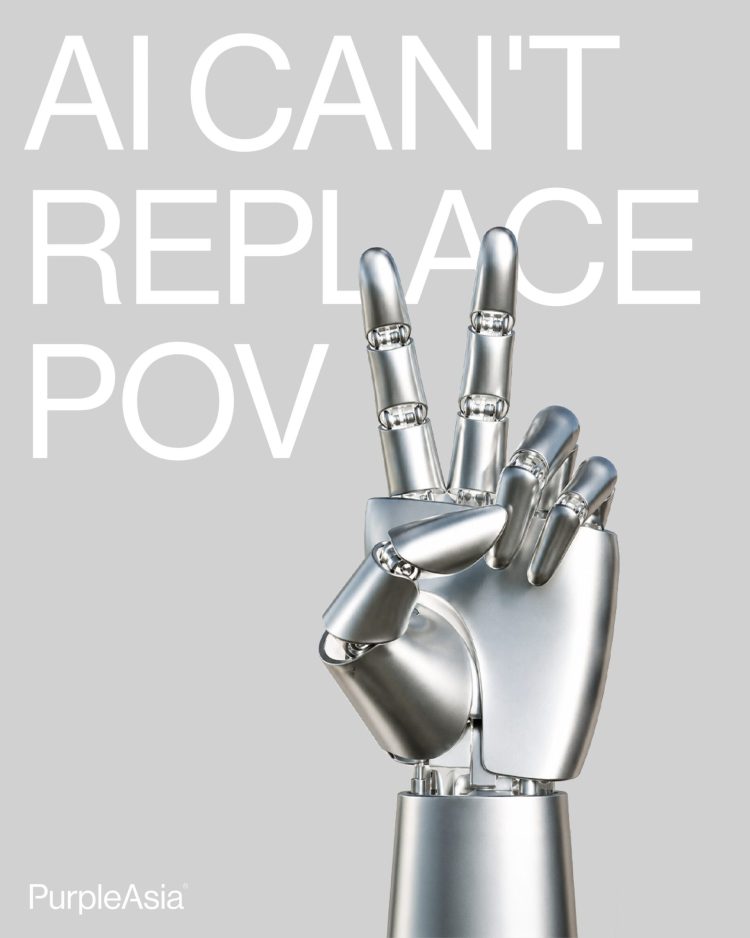
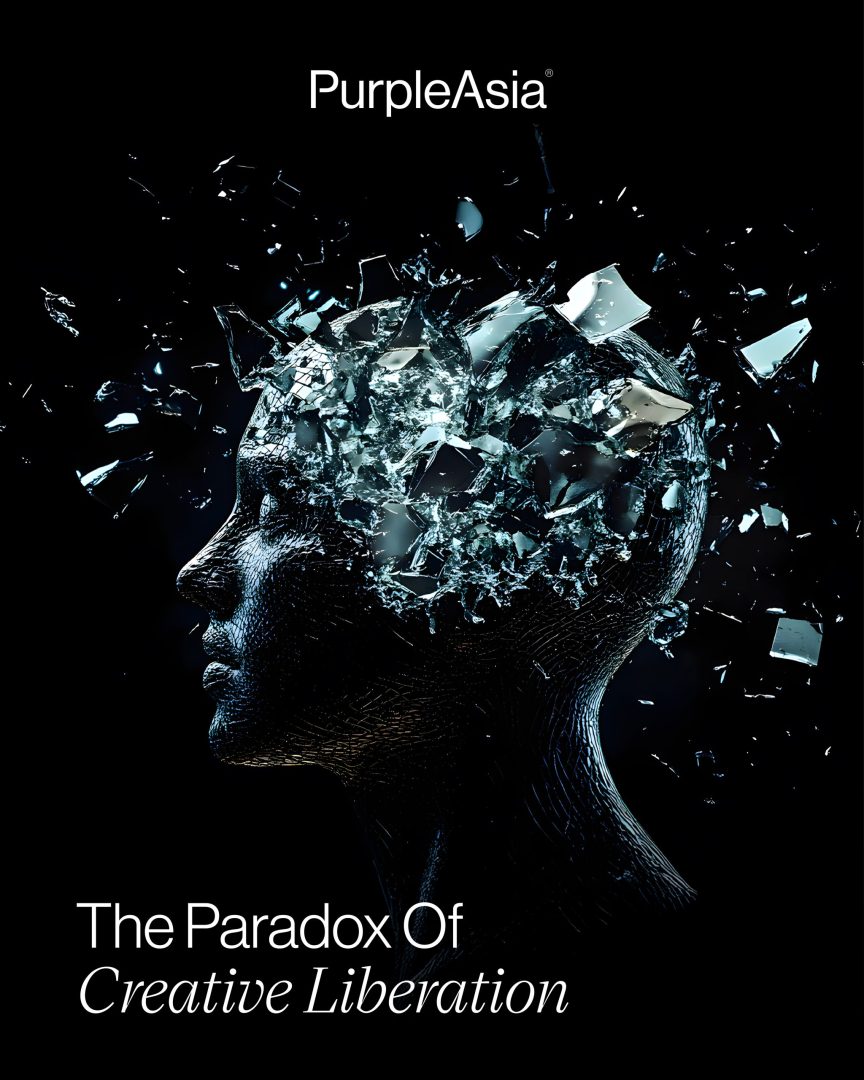
AI can absolutely assist the process—reducing repetition, speeding up testing, and removing hours of manual set up. BUT. There is an important distinction: Automation is not sensitivity, and generation is not design.
At PurpleAsia, we recognise that the most powerful workflows are human-led and machine-augmented. AI helps in creative practice, but it cannot replace the authorship required for culturally specific systems. When we flatten the process, we risk flattening the culture.
Where do you draw the line between augmentation and authorship? Sound off below.
Related News