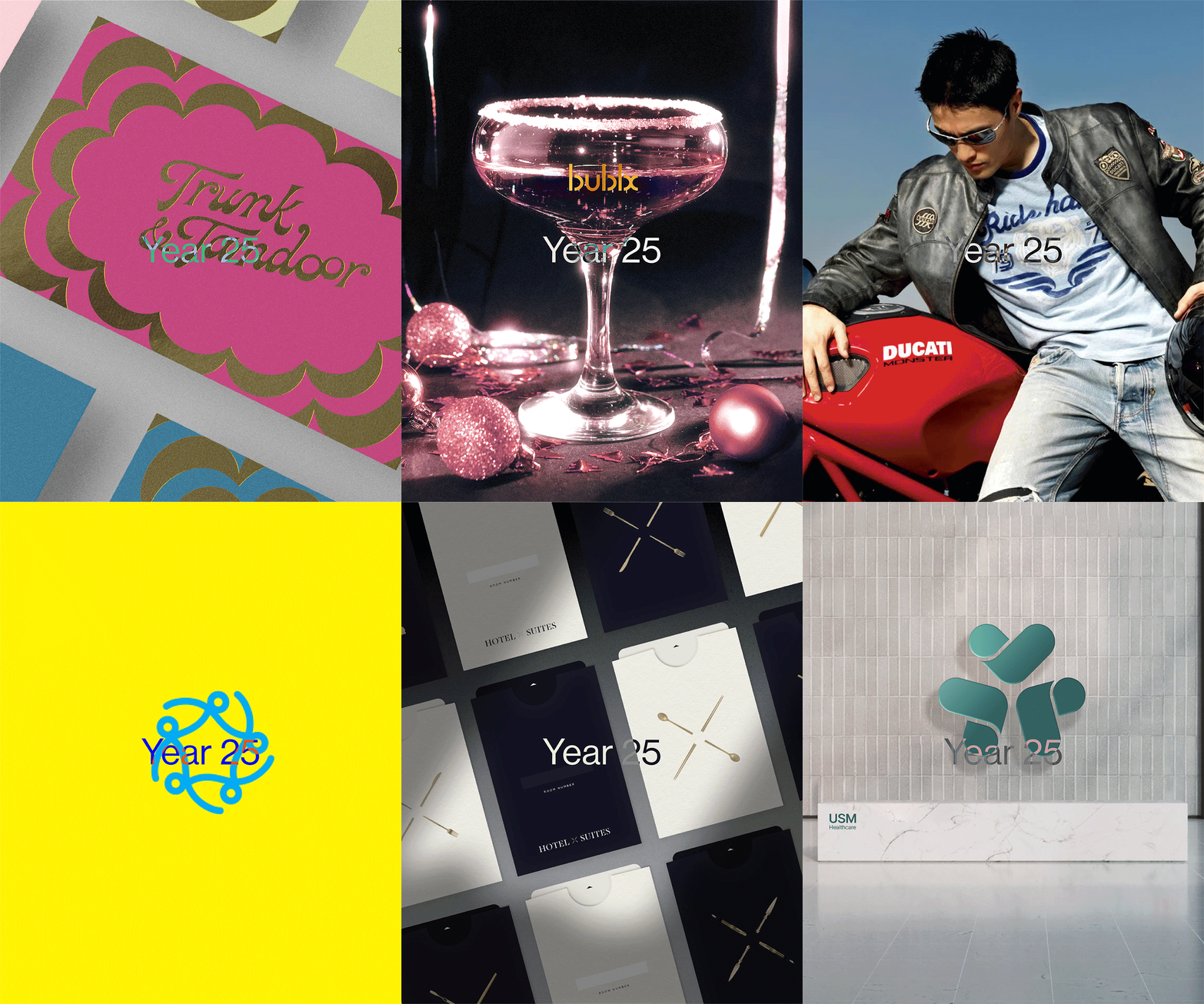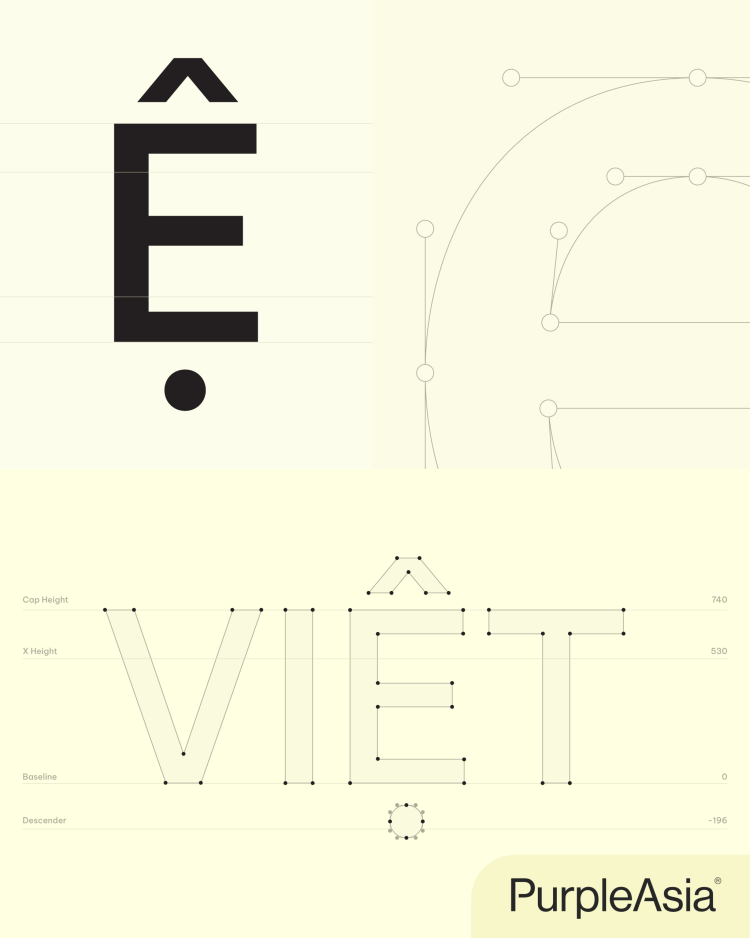
There’s an old story about a one-question, one-word philosophy exam: “Why?” One student writes “Because” and walks out. Top marks.
I’ve heard the same story told a dozen different ways, sometimes the question changes, e.g., “What is courage?” and the answer is “This is.” Other times it’s the school, Oxford or Harvard. But the point is always the same—the bravest answer is also the one that makes the marker most nervous.
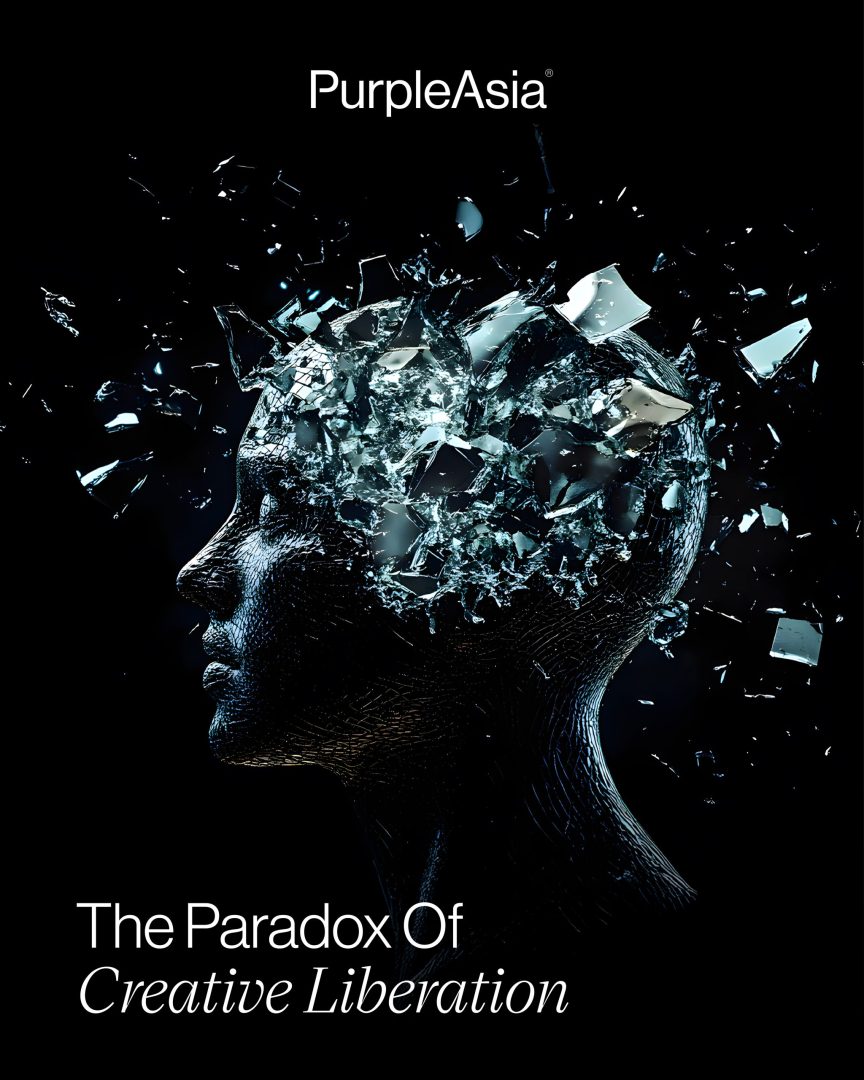
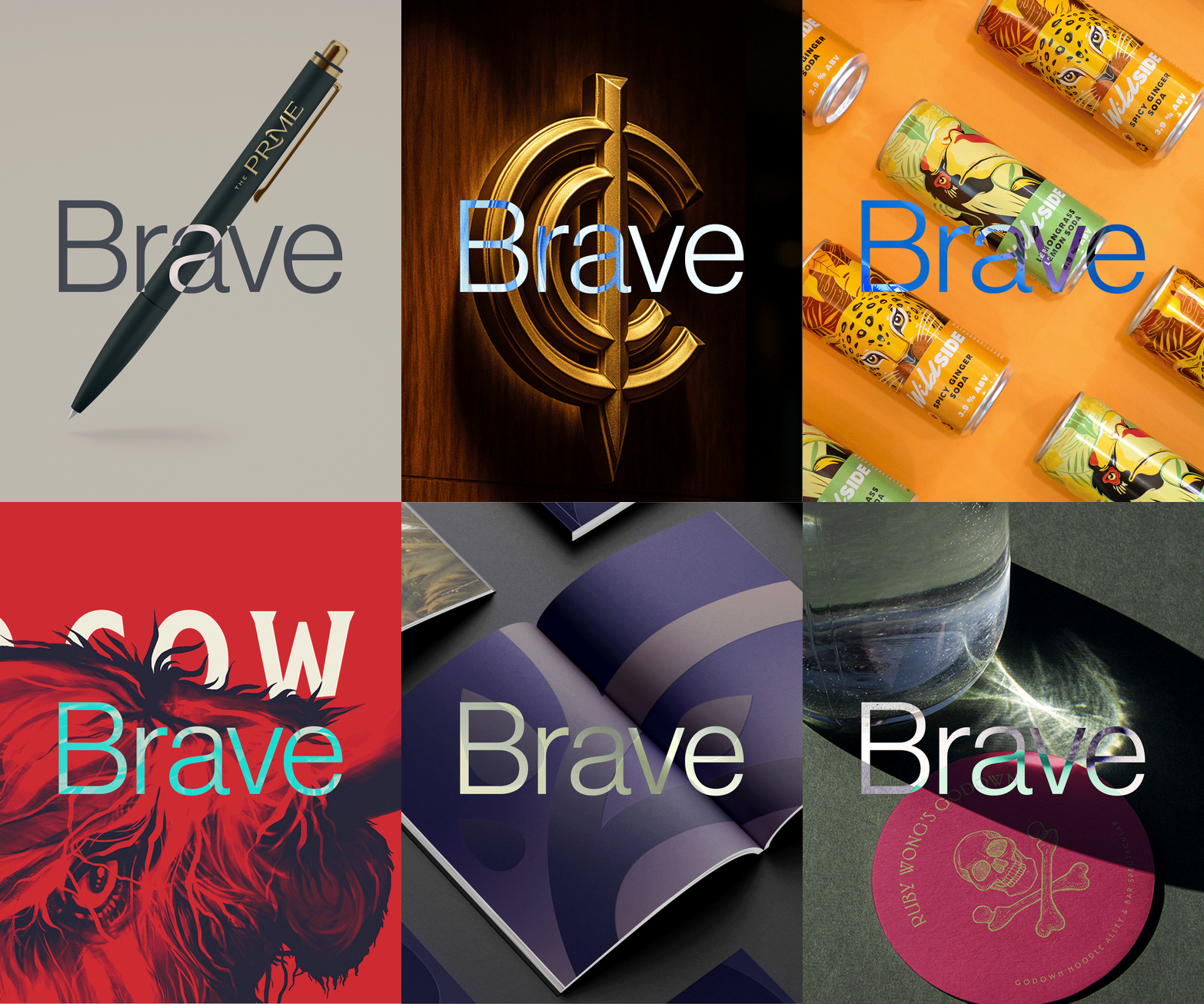
That tension lives at the heart of our ‘brave, brilliant brands’ philosophy. The brilliant part is the easier of the two to explain. It’s craft. Beautiful work, made properly, by people who care about the difference between very good and excellent.
The brave part is harder. Brave means the answer no one in the room was expecting. The route the brief didn’t ask for. The single word on a blank page when everyone else turned in three.
And therein lies the difficulty. Most clients, even the bold ones, are predisposed towards solutions that feel safe and familiar—category benchmarks, slightly redrawn competitors’ logos, the ‘me too’ position dressed up in nicer fonts. It’s a perfectly human response. You don’t get fired for choosing what looks like the rest of the industry.
But we push the other way, and not always successfully, mind you; we have files full of work that did not make it past the boardroom because it scared somebody.
Still, 25 years in, the work I’m proudest of lives there, in the room where we won the argument. (Or in the folder where we lost it but were right.)
Related News