Charli XCX recently declared anti-marketing as the next move—more intimate, more personal, less about the projection of scale. The internet was (understandably) sceptical, largely because her current album rollout still looks like an album rollout. Still, the instinct behind it is worth considering.
There’s a growing exhaustion with brands that perform visibility via constant presence, seasonal campaigns, and content calendars filled to prove someone is always on. Audiences, music fans, property buyers, and hotel guests alike, have developed a precise radar for effort that doesn’t believe in itself.
The obvious response is to pull back, offer fewer touchpoints, practice more restraint, exude an appearance of not trying. But restraint isn’t a strategy. It’s an aesthetic, and a borrowed one at that.
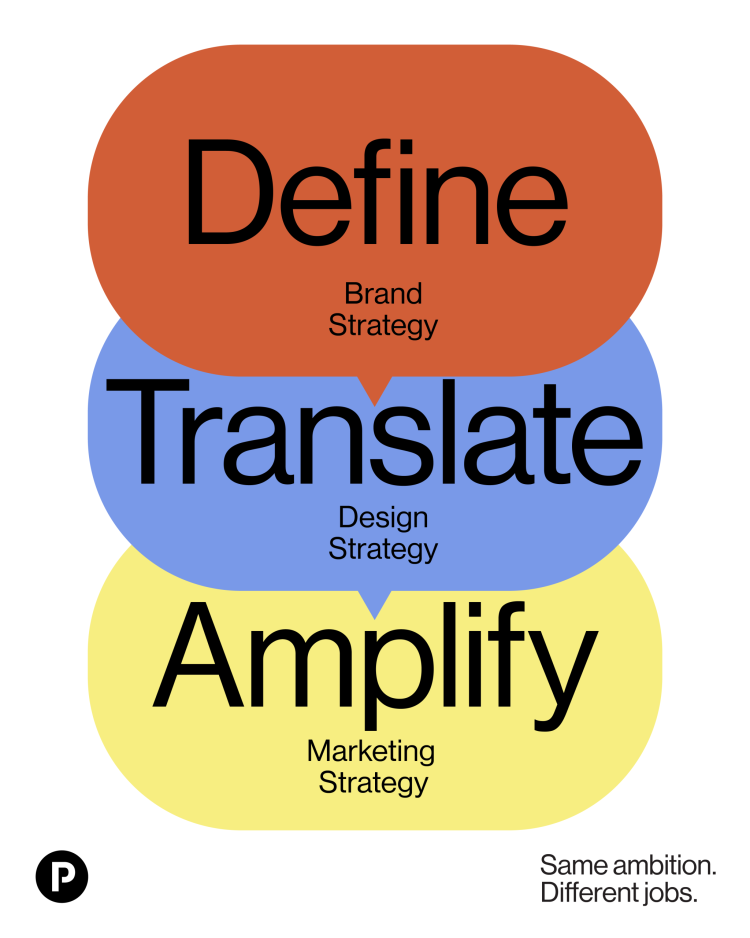
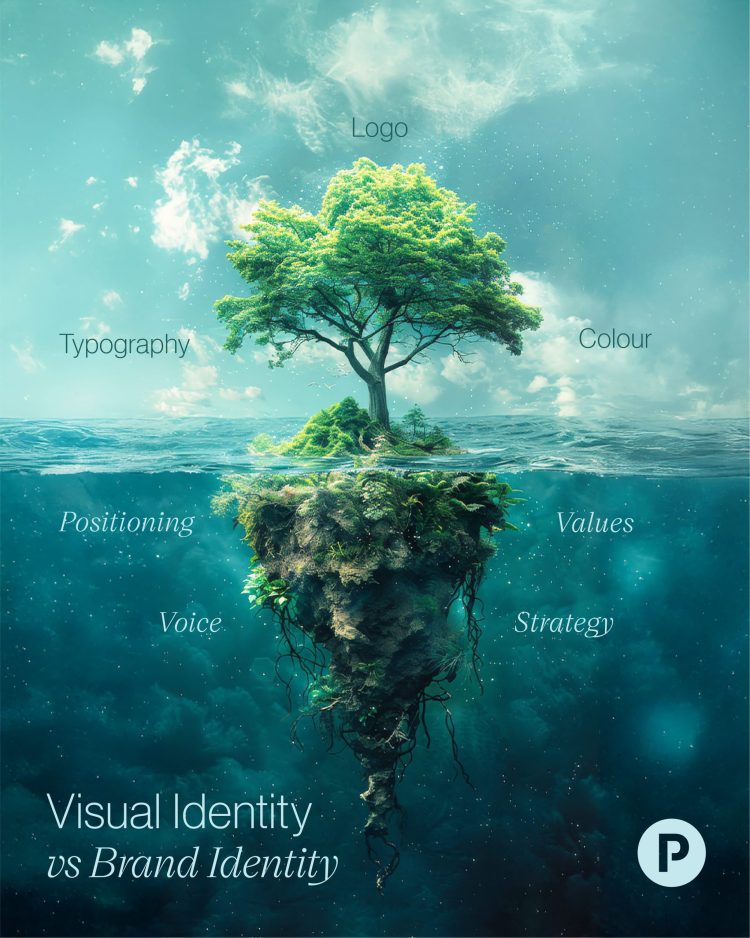
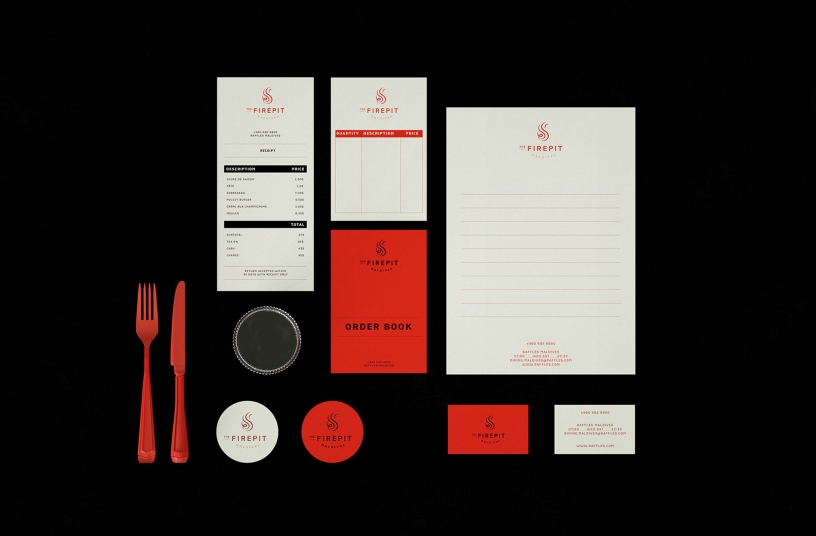
What actually sits beneath the brands that feel effortless is harder to fake: an identity so clearly defined that every decision follows from it naturally. They don’t look like they’re trying because they’ve already done the work at the foundation, rather than at the campaign stage. The brochure, billboard, sales experience, and name all pull in the same direction without needing extra explanation, because the strategic question was answered before the creative brief was even written.
Anti-marketing isn’t a new approach; it’s what brand strategy looks like when it’s been done properly.